

Workers’ Compensation Attorney Booneville Mississippi
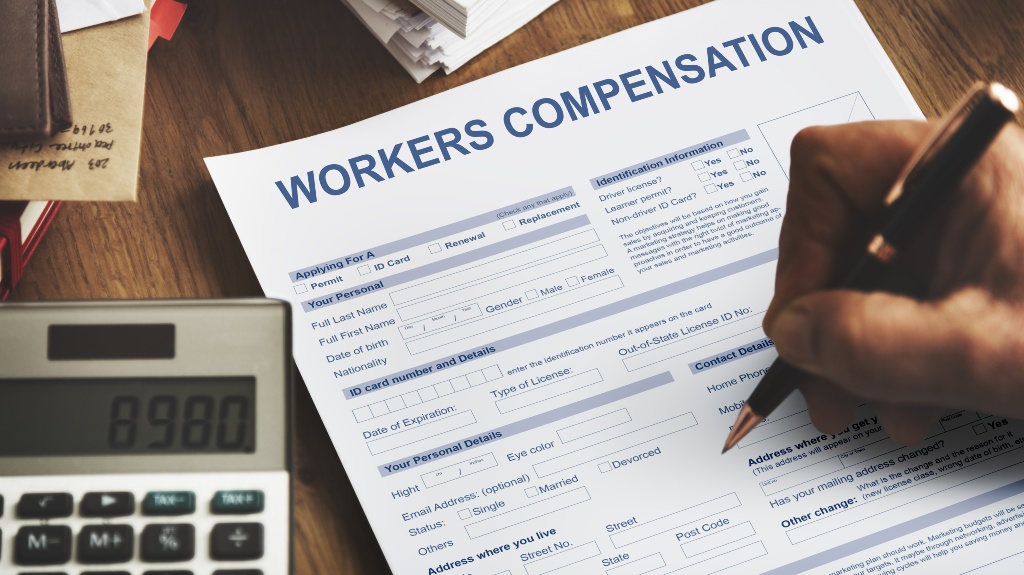
Workplace injuries can happen in any industry, from construction sites and factories to offices and retail stores. When an injury occurs on the job, workers’ compensation provides essential benefits, including medical coverage and wage replacement. However, the claims process can be complex, and employers or insurance companies may try to deny or limit benefits. If you have been injured at work, an experienced workers’ compensation attorney can help you navigate the legal system and secure the benefits you deserve.
The Reality of Workplace Injuries in North Mississippi
In Booneville and Prentiss County, agricultural, manufacturing, logging, and healthcare workers face daily risks from repetitive strain injuries to catastrophic accidents involving heavy machinery. Even office workers can suffer from slips, falls, or stress-related conditions that may qualify for benefits. Unfortunately, many injured workers fear losing their jobs or facing retaliation if they file a claim for workers’ compensation.
Mississippi law protects the right of workers to seek compensation without fear of discrimination or job loss. A local attorney in Booneville who understands the industries and practices of the region can ensure that your rights are respected and that your claim is handled fairly.
Mississippi Workers’ Compensation: What Benefits Can Injured Employees Receive?
Understanding Workers’ Compensation in Mississippi
Workers’ compensation is a no-fault insurance system designed to provide financial support to employees who suffer job-related injuries or illnesses. In Mississippi, most employers are required to carry workers’ compensation insurance to cover medical expenses, lost wages, and rehabilitation costs for injured workers.
To qualify for workers’ compensation benefits, an employee must prove that their injury or illness occurred during the course of their job duties. Unlike personal injury claims, workers’ compensation does not require proof of employer negligence, an employee can receive benefits even if the accident was not the employer’s fault.
Who Is Covered?
Mississippi law mandates workers’ compensation coverage for businesses with five or more employees. However, some industries, such as construction, may require coverage even with just one employee. Agricultural employers and certain small businesses may be exempt from this requirement, but there are exceptions.
If you are unsure whether your employer provides workers’ compensation, an attorney can help investigate your employer’s status and explore other options, such as filing a claim against a third party if a defective tool or a negligent contractor caused your injury.
Types of Workers’ Comp Benefits in Detail
- Temporary Total Disability (TTD): This is paid if you are completely unable to work during your recovery. It is typically two-thirds of your average weekly wage, but it cannot exceed a state maximum amount.
- Temporary Partial Disability (TPD): If you can return to light duty work, but earn less than you did before your injury, this benefit may be available.
- Permanent Partial Disability (PPD): This compensates for long-term impairments, such as loss of limb function or reduced mobility, based on a schedule outlined in Mississippi law. The amount of compensation will depend on the severity of the impairment.
- Permanent Total Disability (PTD): If your injuries are so severe that you will never be able to work again, you may be eligible for benefits that may last for life.
- Death Benefits: These are provided to dependents of a worker who dies from a work-related injury or illness. These benefits include funeral expenses and weekly payments to support dependents.
Many injured workers are not aware that they are entitled to more than just medical expenses. A skilled attorney can help ensure that you receive all the benefits you qualify for, not just what the insurance company will pay out.
Benefits Available Under Workers’ Compensation
Workers’ compensation benefits cover medical expenses related to the injury, including doctor visits, surgeries, medications, physical therapy, and rehabilitation. In addition to medical care, injured employees may receive wage replacement benefits if they are unable to work during recovery. Mississippi law allows injured workers to receive a portion of their lost wages, calculated based on their average weekly earnings, with limits set by state guidelines.
For those who suffer permanent disabilities, additional benefits may be available depending on the severity of the injury and its impact on the ability to return to work. In cases where an employee is unable to resume their previous job, vocational rehabilitation services may help with job retraining and placement in a different role suited to their abilities.
The Importance of Proper Documentation
From the moment of your injury, it is important to document everything. Report the incident to your supervisor in writing, even if you feel fine at first. Keep copies of all medical records, prescription receipts, mileage logs for treatment visits, and notes about pain or limitations. If your employer assigns you a “light duty” task that you cannot physically perform, document that as well. These details will help build a strong case for your claim and counter any claims that your injury was minor or not related to work.
The Role of the Mississippi Workers’ Compensation Commission
If your claim for benefits is denied, your attorney may file a petition to contest this decision with the Mississippi Workers’ Compensation Commission. This will start a formal process that may involve mediation, settlement discussions, or a hearing before an administrative judge. Residents of Booneville typically attend these proceedings in nearby cities such as Tupelo or Jackson. It is important to have an attorney who has experience working with the Commission to ensure that your case is presented in a way that is effective and follows all procedural rules.
Third-Party Claims: Additional Avenues for Compensation
While workers’ compensation laws bar lawsuits against your employer, you may also have the right to sue third parties whose negligence caused your injury. These third-party claims can provide compensation for pain and suffering, lost wages, and other damages not covered by workers’ compensation. An experienced attorney can help you identify these opportunities and pursue them in addition to your workers’ compensation claim.
Challenges in the Workers’ Compensation Process
Many injured workers face difficulties when filing for benefits, as insurance companies and employers may look for reasons to deny or minimize claims. Delays in processing, disputes over whether an injury was work-related, and challenges regarding pre-existing conditions are common roadblocks in the process. If a claim is denied, workers have the right to appeal the decision and present additional evidence supporting their case.
The legal complexities of workers’ compensation can make it difficult for injured employees to navigate the system on their own. Employers and insurers may pressure workers into returning to their job before they are fully healed or offer settlements that fail to cover the full extent of their medical costs and lost wages. Without legal representation, workers may be at a disadvantage when negotiating for the benefits they need to recover.
Learn More About Slip and Fall Accidents
Protecting Your Rights After a Workplace Injury
Navigating the workers’ compensation system can be challenging, especially while recovering from an injury. Employers and insurance companies often look for ways to minimize payouts, which is why having legal representation is crucial. An experienced workers’ compensation attorney can help ensure that your claim is properly filed, handle disputes with the insurance company, and advocate for your full benefits.
If you have suffered a work-related injury in Mississippi, don’t let a denied claim or employer pushback prevent you from getting the compensation you need. Contact our office today to discuss your case.
Common Workers’ Compensation FAQs
Seek immediate medical attention to document your injuries and begin treatment. Then, if possible, report the incident to the property owner or manager, take photos of the hazard, and get contact information from any witnesses. This creates a crucial record for your claim.
Evidence can include records showing how long the hazard existed (e.g., a surveillance video of a spill), prior complaints about the same issue, or evidence of poor maintenance practices. An attorney can investigate to gather this proof.
This is a common defense. Mississippi’s “comparative negligence” rule means your own potential carelessness is considered, but it doesn’t automatically bar your claim. An attorney can counter this argument by proving the primary cause was an unreasonably dangerous condition the owner failed to address.
Yes. Liability depends on who is legally responsible for maintaining the area. This could be a private business, a homeowner, or a government entity like the City of Booneville. Claims against public entities have much stricter and shorter filing deadlines.
You can seek compensation for economic damages (medical bills, lost wages, future care costs) and non-economic damages (pain, suffering, emotional distress). The amount depends on injury severity and how the accident impacts your daily life and earning capacity.
In Mississippi, you generally have three years from the date of the accident to file a personal injury lawsuit. However, gathering evidence and building a strong case takes time, so consulting with an attorney as soon as possible is highly recommended.
Related Articles
-
Workers’ Compensation Benefits in Mississippi Explained
If you have been injured at work, physical pain may just be the beginning of your troubles. Medical bills can quickly add up, and missed work means lost income that you need to support your family. Fortunately, the Mississippi Workers’ Compensation Law provides a crucial safety net for workers. Because Mississippi operates on a “no-fault”…
-
How Long Do You Have to Report a Work Injury in Mississippi?
A workplace injury can happen in an instant – a slip on a wet floor, back strain from heavy lifting, or an accident with equipment. After such an incident, filling out formal paperwork may not be the first thing on your mind, as it can seem overwhelming and confusing. However, in Mississippi, strict legal deadlines…
-
What to Do After a Slip and Fall Accident in Mississippi
A slip and fall can happen anywhere – in a grocery store, on a neighbor’s driveway, in a parking lot, or at work. In seconds, your life can change dramatically. If you get injured on someone else’s property in Mississippi, you may have a legitimate claim for premises liability under Mississippi law. Taking the right…